





Medical Aesthetics
Led by Miranda Philip, ANP
Clinician-led aesthetic treatments grounded in 10+ years of clinical experience and natural results.
View all treatments
Testosterone is usually thought of as a male hormone. It is not. Women produce it too — mainly in the ovaries and adrenal glands — and levels fall with age and after the menopause.
For some women that fall contributes to a persistent loss of sexual desire which causes real distress. Where that is the case, and where other causes have been considered, testosterone can be prescribed as part of hormone replacement therapy.
Dr Emily Arthurs (BSc, MBChB, MRCGP), our female GP, prescribes and monitors testosterone at our Dunfermline clinic. She holds the British Menopause Society Management of the Menopause Certificate. Assessment, blood tests, prescription and follow-up all happen here, and no referral is needed.
This is worth being straight about, because a great deal of what is written about testosterone for women online is not.
In the UK, testosterone is licensed in menopausal women for one thing: Hypoactive Sexual Desire Disorder (HSDD) — a persistent loss of sexual desire that causes personal distress and affects quality of life.
Research into wider benefits is ongoing, including the ESTEEM trial. At present testosterone is not routinely recommended for improving energy, mood, memory, weight loss or general wellbeing on their own. If you have been told otherwise, be cautious about who is telling you.
That last point matters. Low desire usually has more than one cause, and testosterone is rarely the whole answer. Dr Emily Arthurs will work through the whole picture with you rather than going straight to a prescription.
There is currently only one testosterone product licensed specifically for women in the UK. It is expensive and can be difficult to obtain, so it is accepted practice to use lower doses of products designed for men, under clinical supervision.
Testosterone for women is prescribed as a gel or cream applied to the skin, at a licensed dose of 5mg daily. Dr Emily Arthurs will talk you through which preparation suits you, what it costs, and how to use it at your appointment.
Women who respond to treatment may notice increased sexual desire, improved sexual satisfaction, more sexual thoughts, and improved arousal and response.
Benefits are not immediate. Expect six to eight weeks before you notice a change, and up to six months for the full benefit. Not everyone experiences a significant improvement — and we would rather say so now than have you wonder at week four.
More common side effects include acne, increased facial or body hair, oily skin, weight changes, thinning of the hair on the scalp, and hair growth where you apply it.
Less common side effects include deepening of the voice, enlargement of the clitoris, and significant male-pattern hair growth.
Tell us if you develop side effects that bother you. Regular follow-up is part of the treatment, not an optional extra.
Monitoring is how we keep the dose right and keep you safe.
Always tell us about your medical history and any medicines you take. Speak to us if you experience side effects, if your symptoms have not improved after several months, if you become pregnant, or if you develop voice changes, excessive hair growth or significant acne.
We are at 30 Canmore Street, Dunfermline — a short walk from the town centre, easy to reach from across Fife, and around 30 minutes from Edinburgh.
Dr Emily Arthurs sees patients on Thursdays, from 3 September 2026. Appointments are usually available within the week, there is no referral needed, and you will see the same GP at your follow-up.
We offer flexible booking options to fit around your schedule. You can:
We believe in transparent pricing with no hidden costs. You can view our consultation fees on our Pricing page, or contact us directly for more information.
You’ll find The Canmore Clinic at 30 Canmore Street, Dunfermline, Fife KY12 7NT — easily accessible from surrounding areas including Rosyth, Inverkeithing, and the wider Fife region.
It can be. It is prescribed alongside standard HRT rather than instead of it, and only where it is clinically appropriate.
It is not licensed or routinely recommended for energy, mood, memory or weight loss. Research into wider benefits is ongoing. If low energy is your main concern, that is worth a GP appointment in its own right — there are a number of causes worth ruling out first.
Six to eight weeks for early signs, and up to six months for the full benefit. Some women notice no significant change.
No. You can book directly with us.
Sometimes, depending on your practice and local prescribing policy. Many women find it difficult to access, which is why they come to us.
Yes. A blood test before starting, a review at three months, then annually. Prescriptions cannot continue without them.
How can we help you?
Clinician-led aesthetic treatments grounded in 10+ years of clinical experience and natural results.
Unhurried consultations, same-day appointments, and transparent pricing — without the NHS wait.
Discreet, expert-led urology and specialist consultations with direct access to a consultant.
Led by Miranda Philip, ANP
Clinician-led aesthetic treatments grounded in 10+ years of clinical experience and natural results.
View all treatmentsLed by Dr Matt Bulkeley
Unhurried consultations, same-day appointments, and transparent pricing — without the NHS wait.
 Private GP Consultations
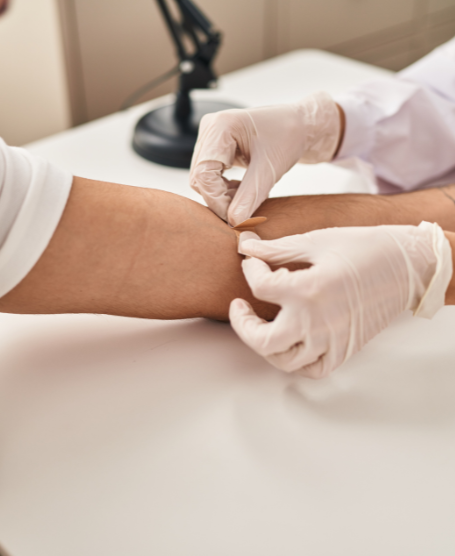 Medical Health MOT
 Blood Testing u0026 Screenings
 GP Home Visits
 HGV Medicals
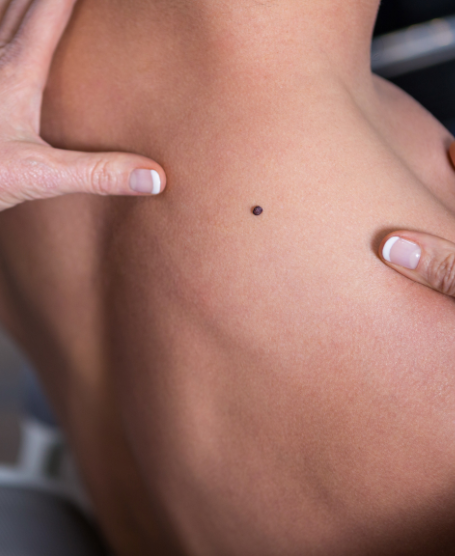 Mole Review
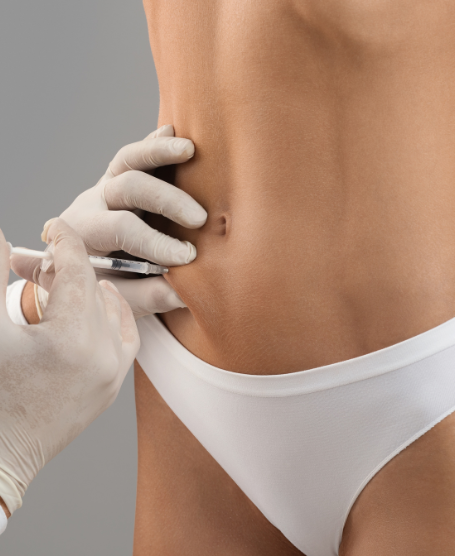 Weight Loss Injections
Led by Mr Ben Dreyer, Consultant Urologist
Discreet, expert-led urology and specialist consultations with direct access to a consultant.
View all treatments
Get in touch
Whether you need a private GP appointment, specialist consultation, or aesthetic treatment — our team is here to help.